

Understanding the Truth Behind One of Dentistry’s Most Misunderstood Procedures
If you or a loved one have ever been told you need a root canal, you might have felt a moment of dread. Thanks to myths and horror stories passed down over the years, many people assume that root canal treatment is painful or something to be feared. In reality, modern root canal therapy is a safe, effective, and often pain-relieving procedure that can save a damaged tooth and protect your oral health.
At Brockton Family Dental in Walkerton, ON, we want our patients to feel confident and informed about their dental care. In this post, we break down the most common myths about root canals and replace them with facts supported by current dental practice, so you know exactly what to expect if treatment is recommended.
What Is Root Canal Treatment?
Before diving into myths and facts, let’s clarify what a root canal actually is.
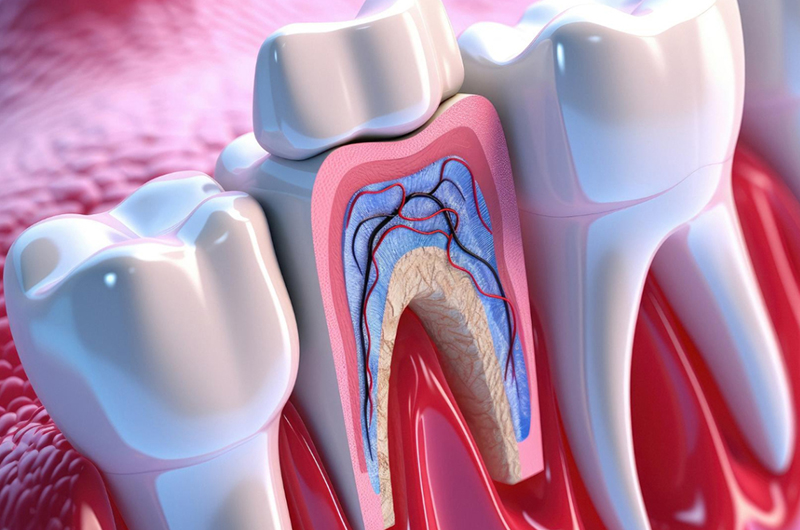
Inside each tooth is a soft tissue called the pulp, which contains nerves, blood vessels, and connective tissue. When this pulp becomes infected or inflamed — typically due to deep decay, repeated dental procedures, cracks, or trauma — it can cause pain and lead to serious complications if left untreated.
Root canal treatment removes the damaged pulp, thoroughly cleans the inside of the tooth, disinfects it, and fills it with a biocompatible material to protect the tooth and restore its function. In most cases, the treated tooth is then restored with a crown to provide strength and longevity.
Myth 1: Root Canals Are Extremely Painful
Fact: Modern Root Canal Therapy Is Comfortable and Pain-Relieving
This is the biggest myth about root canals — and the one we hear most often. Many people mistakenly think the procedure is painful. In truth, the discomfort associated with root canals is often due to the infection itself, not the treatment.
Thanks to modern dental techniques, local anesthesia, and sedation options, most patients experience little to no pain during the procedure. In fact, many people say that getting a root canal feels no different than having a filling placed.
After treatment, some mild soreness is normal — but this can usually be managed with over-the-counter pain medication and resolves within a day or two.
In short: Root canals relieve pain rather than cause it.
Myth 2: It’s Better to Just Pull the Tooth Instead of Getting a Root Canal
Fact: Saving Your Natural Tooth Is Usually the Best Option
Some people believe that removing a problematic tooth is easier and better than undergoing root canal treatment. While extraction is occasionally necessary, it’s not always the best solution.
Here’s why saving your natural tooth matters:
-
It helps maintain proper chewing function
-
It prevents adjacent teeth from shifting
-
It preserves your natural smile and facial structure
-
It avoids the cost and time of tooth replacement options like implants or bridges
Dentists typically recommend root canal therapy when a tooth can be saved and restored to full function. Removing a tooth can create new dental problems down the road.
Myth 3: Root Canals Cause Illness Elsewhere in the Body
Fact: This Claim Has No Scientific Basis
There’s a longstanding myth that root canal therapy might lead to health problems elsewhere in the body — a theory that originated over a century ago before modern sterilization and dental science.
Today’s research does not support the idea that root canal-treated teeth cause systemic disease. In fact, root canal therapy removes infected tissue, which helps prevent bacteria from spreading.
The procedure is designed to eliminate infection, not introduce it.
Myth 4: You’ll Always Lose the Tooth After a Root Canal
Fact: With Proper Care, Root Canal-Treated Teeth Can Last a Lifetime
Another misconception is that teeth that undergo root canal therapy are weak and destined to fail. While it’s true that the treated tooth no longer has a living pulp, it can remain strong and functional for decades with proper restoration and care.
This is why your dentist often places a crown after a root canal — to protect the tooth from fracture and restore normal chewing ability.
Good oral hygiene, regular check-ups, and prompt attention to new issues all help a root canal–treated tooth last a lifetime.
Myth 5: Root Canals Require Lots of Appointments
Fact: Many Root Canal Procedures Are Completed in One or Two Visits
Thanks to advances in dental technology and techniques, many root canal treatments can be completed efficiently — often in just one visit. Complex cases may require an additional appointment, but multiple visits are less common than in the past.
Your dentist at Brockton Family Dental will explain your specific treatment plan and how many appointments you can expect.
When Is Root Canal Therapy Recommended?
Here are signs and symptoms that may indicate the need for a root canal:
-
Severe tooth pain or sensitivity
-
Prolonged sensitivity to hot or cold
-
Pain when biting or chewing
-
Swelling or tenderness in nearby gums
-
A pimple-like bump on the gum near the tooth
-
Darkening of a tooth
If you’re experiencing any of these issues, don’t wait. Prompt treatment can prevent the infection from spreading and improve your chances of saving the tooth.
What to Expect During the Procedure
Here’s a step-by-step overview of root canal treatment:
-
Anesthesia: Your dentist will numb the area so you feel minimal discomfort.
-
Accessing the Tooth: A small opening is made to reach the pulp chamber.
-
Cleaning: The infected or damaged tissue is removed, and the inner canals are cleaned and shaped.
-
Filling: The canals are filled with a biocompatible material to seal them.
-
Restoration: A permanent filling or dental crown is placed to restore strength and function.
This process eliminates infection and preserves the natural tooth.
Recovery After Root Canal Treatment
Most patients return to normal activities shortly after the procedure. Here’s what you should know about recovery:
-
Some slight tenderness or sensitivity may occur for a day or two.
-
Over-the-counter pain relievers usually manage any discomfort.
-
Avoid chewing directly on the treated tooth until a crown is placed.
-
Maintain good oral hygiene — brush and floss gently around the area.
If pain worsens or swelling persists, contact your dental provider for follow-up care.
Root Canals vs. Alternatives: What Are Your Options?
If a tooth is too damaged to save with a root canal, extraction may be considered. However, extracting a tooth creates a gap that can affect chewing, speaking, and alignment. Tooth replacement options — like dental implants or bridges — can address this gap, but they may require additional procedures, time, and cost.
Root canal therapy aims to preserve your natural tooth and is often the most conservative and cost-effective choice when feasible.
Separating Fear from Facts
Root canal treatment has earned a reputation that doesn’t reflect the reality of modern dental care. With today’s techniques, it’s a safe, effective, and often pain-relieving treatment that helps preserve your natural smile.
Don’t let myths stand between you and maintaining your oral health. If you’re experiencing tooth pain or have been advised to consider a root canal, the team at Brockton Family Dental in Walkerton, ON is here to answer your questions, explain your options, and provide comfortable care every step of the way.